
Understanding how the brain functions is essential when someone struggles with focus, mood, sleep, or emotional regulation. At Absolute Health AZ, many patients want to know how a QEEG neurofeedback brain map works and why it is such a powerful tool. Because the brain communicates through electrical activity, a QEEG allows clinicians to measure and analyze those patterns. As a result, patients finally gain clarity about symptoms that once felt confusing or overwhelming.
A QEEG brain map provides a non‑invasive, data‑driven look at how the brain communicates. Since many symptoms originate from irregular brainwave patterns, this technology helps pinpoint the root cause rather than simply addressing surface‑level issues. Therefore, patients receive more targeted care and more predictable outcomes.
What Is a QEEG Neurofeedback Brain Map?
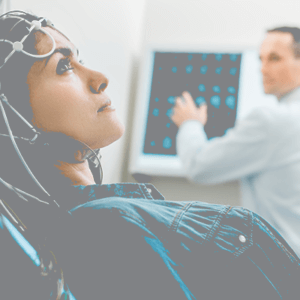
A QEEG neurofeedback brain map, also known as a quantitative electroencephalogram, measures electrical activity across different regions of the brain. Although the test is simple and painless, it provides a detailed snapshot of how well the brain communicates.
During the QEEG, sensors are placed on the scalp to record brainwave frequencies. These frequencies are then compared to a normative database. Consequently, clinicians can identify patterns associated with challenges such as:
- Anxiety
- ADHD
- Depression
- PTSD
- Sleep issues
- Emotional dysregulation
Because the QEEG highlights areas of overactivity or underactivity, it becomes easier to understand why certain symptoms appear. This is why the QEEG neurofeedback brain map is considered one of the most accurate tools for functional brain assessment.
For additional clinical background, you can explore BrainCore’s provider information here: 👉 https://www.braincoretherapy.com/providers/absolute-health-llc—scottsdale
How Neurofeedback Uses a QEEG Neurofeedback Brain Map
Once the QEEG brain map is complete, the next step is neurofeedback training. Neurofeedback is a non‑invasive therapy that teaches the brain how to self‑regulate. Since the brain is highly adaptable, it can learn healthier patterns through repeated training sessions.
QEEG Neurofeedback Brain Map Pattern Recognition
The QEEG identifies irregular brainwave patterns, and neurofeedback uses that information to create a personalized training plan. Because the training is based on real data, the process becomes more precise and more effective. As the brain receives feedback, it gradually shifts toward optimal functioning.
How Neurofeedback Sessions Work
During a session, sensors monitor brainwave activity while the patient watches a movie or plays a game. When the brain produces balanced patterns, the screen becomes brighter or the audio becomes clearer. When the brain becomes dysregulated, the feedback changes. Therefore, the brain learns to maintain healthier patterns over time.
This process is supported by decades of research and is used worldwide for cognitive, emotional, and behavioral improvement. You can learn more about neurofeedback at Absolute Health AZ here: 👉 https://absolutehealthaz.com/services/neurofeedback/
Why Absolute Health AZ Uses a QEEG Neurofeedback Brain Map
Absolute Health AZ integrates QEEG and neurofeedback because the combination provides clarity, accuracy, and long‑term improvement. Although traditional approaches may focus on symptoms, this method focuses on the brain’s communication system. As a result, patients often experience meaningful changes in:
- Focus and attention
- Mood stability
- Stress response
- Sleep quality
- Emotional regulation
Because the process is drug‑free and non‑invasive, it is safe for children, teens, and adults. Additionally, the personalized nature of the training ensures that each patient receives care tailored to their unique brain patterns.
Benefits of a QEEG Neurofeedback Brain Map
A QEEG neurofeedback brain map offers several advantages:
Objective Data Instead of Guesswork
The QEEG provides measurable information, which reduces uncertainty and improves treatment accuracy.
Personalized Neurofeedback Protocols
Because every brain is different, customized protocols lead to better outcomes.
Long‑Term Brain Regulation
Neurofeedback trains the brain to maintain healthier patterns, which supports lasting improvement.
Non‑Invasive and Drug‑Free
Patients appreciate that the process is natural, gentle, and safe.
Clear Progress Tracking
Follow‑up QEEGs allow clinicians to measure improvements over time.
What to Expect at Absolute Health AZ
When you schedule a QEEG neurofeedback brain map at Absolute Health AZ, the process follows a clear and supportive structure:
- Fill Out Intake and History, CEC (Cognitive Emotional Checklist), Metabolics, and ISI (Interactive Self Inventory) – These forms help the team understand your symptoms, emotional patterns, metabolic factors, and overall wellness profile before your QEEG appointment.
- QEEG Brain Map – A painless 20–30 minute recording of brainwave activity that shows how different regions communicate.
- Data Review – Clinicians explain the QEEG results in clear, understandable language, highlighting patterns and areas of dysregulation.
- Personalized Neurofeedback Plan – A custom protocol is created based on your brain map to support optimal brainwave balance.
- Training Sessions – Regular neurofeedback sessions help retrain the brain using real‑time feedback and positive reinforcement.
- Progress Tracking – Follow‑up assessments measure improvement and guide adjustments to ensure long‑term success.
